Residential Roofing in Miami-Dade County, Florida
Residential roofing in Miami-Dade County, Florida, plays a pivotal role in safeguarding your home against South Florida’s climate challenges. High humidity, intense heat, and frequent hurricanes necessitate expert residential roofing services. Whether planning a residential roof replacement or seeking residential roof repairs, knowing fundamental aspects of residential roofing ensures your roof’s efficiency and durability. This guide will equip you with the knowledge to confidently engage residential roofing contractors and maintain your roof effectively.
Call us now at 305-677-8288

Our Residential Roofing Services
- Residential Roof Installation
- Residential Roof Replacement
- Residential Roof Repairs
- Residential Roof Inspections
- Preventative Roof Maintenance
- Hurricane Damage Assessment and Repair
- Residential Metal Roofing and Residential Steel Roofing
- Residential Shingle and Tile Roofing Solutions
- Energy-Efficient Roofing Options
- Emergency Roofing Services
- Insurance Claim Assistance
Locations we cover
We offer our services throughout the entire Miami Dade County, South Florida region including;
HIALEAH • MIAMI GARDENS • MIAMI BEACH • DORAL • KENDALL • FONTAINEBLEAU • NORTH MIAMI • WESTCHESTER • TAMIAMI • CORAL GABLES • NORTH MIAMI BEACH • BISCAYNE GARDENS • WEST LITTLE RIVER • MIAMI LAKES • IVES ESTATES • CORAL TERRACE • HIALEAH GARDENS • BROWNSVILLE • SUNSET • OPA LOCKA • GLADEVIEW • KEY BISCANE • MIAMI SPRINGS • OLYMPIA HEIGHTS • SOUTH MIAMI • WESTVIEW • MIAMI SHORES • WEST MIAMI
Understanding Roof Terminology and Components
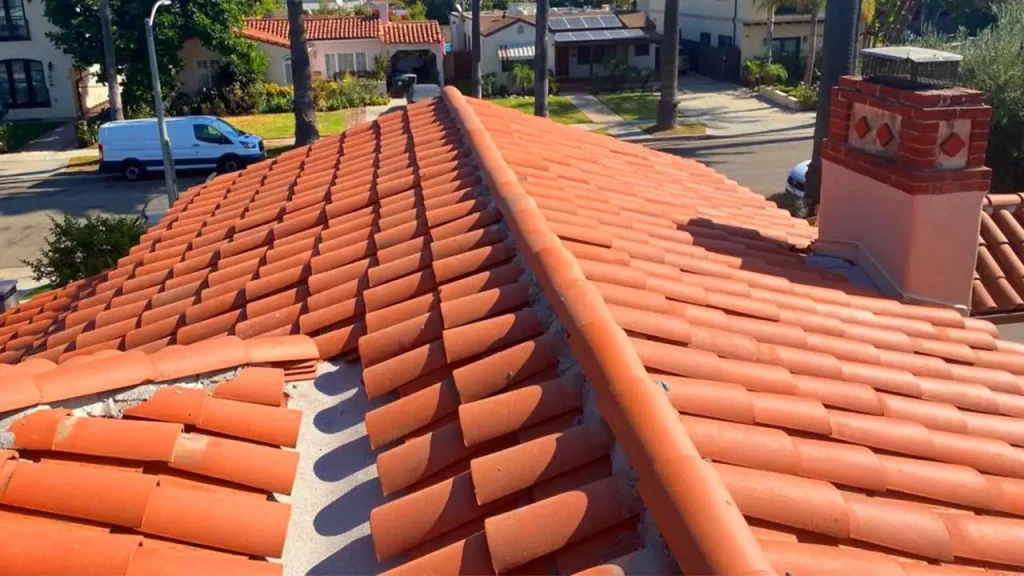
Understanding the terminology and components involved in residential roofing helps homeowners communicate effectively with residential roofing companies. A typical residential roof installation includes decking, underlayment, drip edges, flashing, roof coverings, ridge capping, and ventilation. Structural elements like rafters, trusses, fascia, and soffits enhance your roof’s integrity. Additional safeguards, such as secondary water barriers, provide necessary protection, essential during residential roof repairs and installations, especially in hurricane-prone Miami-Dade County.
Miami-Dade Building Codes and Requirements
Miami-Dade County’s stringent building codes greatly influence residential roofing practices. Residential roofing contractors must use materials carrying a Miami-Dade County Notice of Acceptance (NOA) or Florida Product Approval. These codes apply to residential roof replacement, ensuring roofs withstand specific pressures and impact damage. Compliance with these regulations is mandatory, often requiring residential roofing companies to retrofit older structures, including strengthening roof-to-wall connections and reinforcing roof decks for enhanced hurricane resistance.
Roofing Materials for South Florida Climate
Choosing appropriate residential roofing materials for Miami-Dade involves considerations of hurricane resistance, heat reflection, humidity durability, and aesthetics. Residential metal roofing and residential steel roofing offer exceptional wind resistance, durability, and minimal maintenance. Tile roofing is also hurricane-resistant but may need structural reinforcement. Asphalt shingles provide an economical option for residential roofing services but have shorter lifespans. Residential flat roof repair and installations like Modified Bitumen or TPO require regular maintenance to withstand local climate conditions effectively.

Roof Design Considerations for Hurricane Resistance
Residential roofing in hurricane-prone Florida demands specific design considerations. Optimal shapes, such as hip roofs, are recommended by residential Miami Dade roofing contractors due to better wind resistance than gable designs. Proper roof pitch (4:12 to 6:12) enhances drainage and reduces wind uplift. Residential roof installation must include structural reinforcements like hurricane straps, enhanced roof deck attachment, and secondary water barriers. These considerations are crucial for homeowners planning residential roof replacement or new installations.
Roofing Installation Best Practices
Adhering to best practices in residential roofing installation is essential in Miami-Dade. Engaging experienced residential roofing contractors ensures compliance with HVHZ requirements. Detailed attention to decking, fastening patterns, specialized underlayment, and proper flashing is mandatory. Professional residential roofing services must strictly follow local codes and manufacturer guidelines during residential metal roofing, tile installations, or shingle roofing. Proper installation guarantees long-term residential roofing performance and home safety.
Quality Control and Inspection Points
Quality inspections during residential roofing projects ensure adherence to Miami-Dade’s strict regulations. Residential roofing contractors must conduct dry-in, in-progress, and comprehensive final inspections. Key inspection points include verifying proper fastening, material approvals, correct flashing, and adherence to water barrier requirements. Photographic documentation during residential roof installation and repairs helps maintain compliance and supports homeowners’ insurance claims and future roofing needs.
The Permitting Process in Miami-Dade
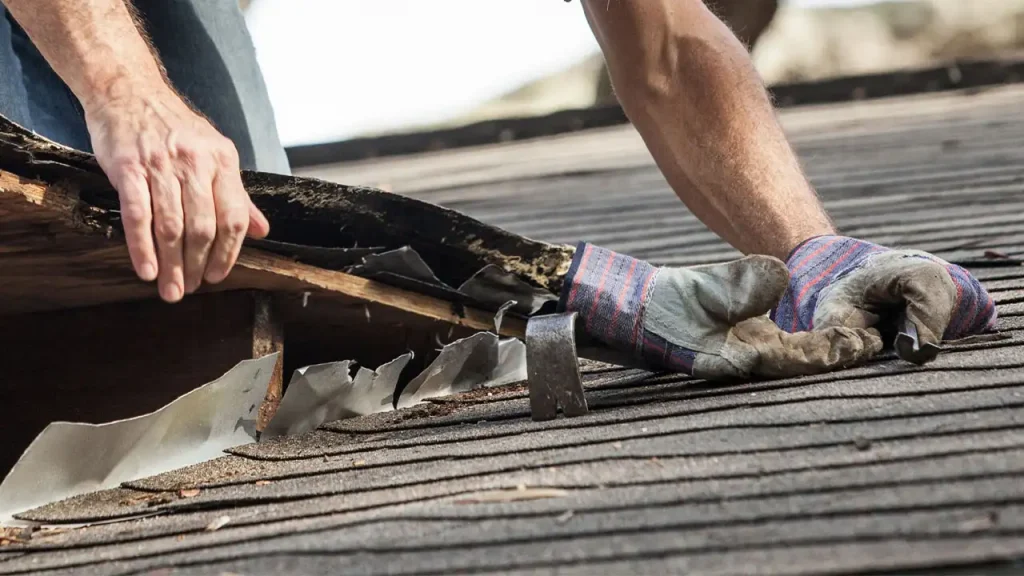
Permitting is critical for residential roofing projects in Miami-Dade. Permits are essential for residential roof replacement, significant repairs, and new installations. Residential roofing companies must gather appropriate documentation, including product approvals, roof plans, and submit these through Miami-Dade’s channels. Regular inspections ensure compliance throughout residential roof installations. Understanding and navigating potential permitting challenges proactively can streamline your residential roofing project, preventing delays and ensuring compliance.
Roof Maintenance and Inspection Guidelines
Regular maintenance and inspections are essential in preserving residential roofing integrity, particularly in Miami-Dade. Seasonal maintenance schedules should include inspections before and after hurricane season, focusing on damage assessment, gutter cleaning, and tree trimming. Professional residential roofing services offer detailed inspections that identify potential issues early. Homeowners can perform DIY maintenance tasks like visual checks and gutter cleaning, significantly prolonging their residential roof’s lifespan, reducing the likelihood of costly repairs or replacements.
Roofing Costs and ROI Considerations
Residential roofing projects represent substantial investments influenced by material selection, complexity, and labor costs. Common materials include asphalt shingles, residential metal roofing, tiles, and residential flat roof repairs. Cost factors include material choice, roof complexity, labor, and removal of existing roofing. Quality residential roof installations typically result in higher home values, better energy efficiency, and lower maintenance costs. Planning and understanding financial implications enable homeowners to optimize their residential roofing investment and achieve a beneficial return on investment (ROI).
Energy Efficiency and Sustainable Roofing Options
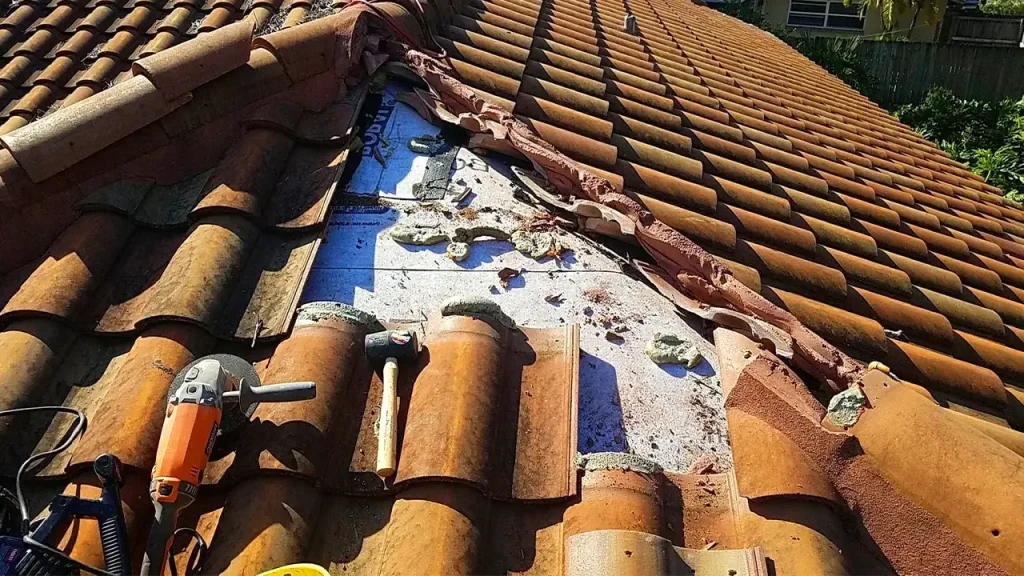
Sustainable residential roofing choices offer substantial benefits, including energy savings and environmental impact reduction. Cool roofing technologies, reflective residential roofing materials, and green roofs significantly decrease heat absorption, reducing energy consumption. Integration of solar panels and enhanced attic ventilation further boosts energy efficiency. Sustainable materials, rainwater harvesting, and leveraging certifications enhance ecological and economic benefits, making these options attractive for eco-conscious homeowners during residential roofing services.
When to Repair vs. Replace Your Roof
Choosing between residential roof repairs and replacement involves evaluating damage extent, roof age, and economic factors. Minor, localized damages typically warrant repairs. Residential roof replacement becomes necessary for extensive or structural damage, older roofs, or chronic issues. Partial replacements may be viable with careful consideration. Consulting experienced residential roofing contractors and conducting cost-benefit analyses helps homeowners decide between repairs and replacements effectively, considering both immediate needs and long-term residential roofing goals.
Selecting a Qualified Roofing Contractor
Choosing a qualified residential roofer is essential for quality and compliance. Professional residential roofing contractors must possess relevant licensing, extensive local experience, and positive reviews. Contracts must clearly detail materials, scope, timelines, warranties, and payment structures. Thorough vetting, including contractor interviews, prevents common residential roofing issues. Recognizing red flags, such as significantly lower bids or vague documentation, ensures homeowners partner with reputable residential roofing companies capable of delivering reliable, compliant, and durable roofing solutions.
Insurance Considerations for Residential Roofing
Understanding insurance considerations is crucial for residential roofing in Miami-Dade. Accurate documentation of roof age and condition ensures optimal insurance coverage. Wind mitigation inspections help secure significant insurance premium discounts. Proper documentation and detailed damage assessments streamline the claims process. Upgrading to insurance-friendly roofing materials enhances protection and reduces premiums. Being proactive about insurance challenges helps homeowners efficiently navigate claims, securing favorable outcomes for residential roofing services.
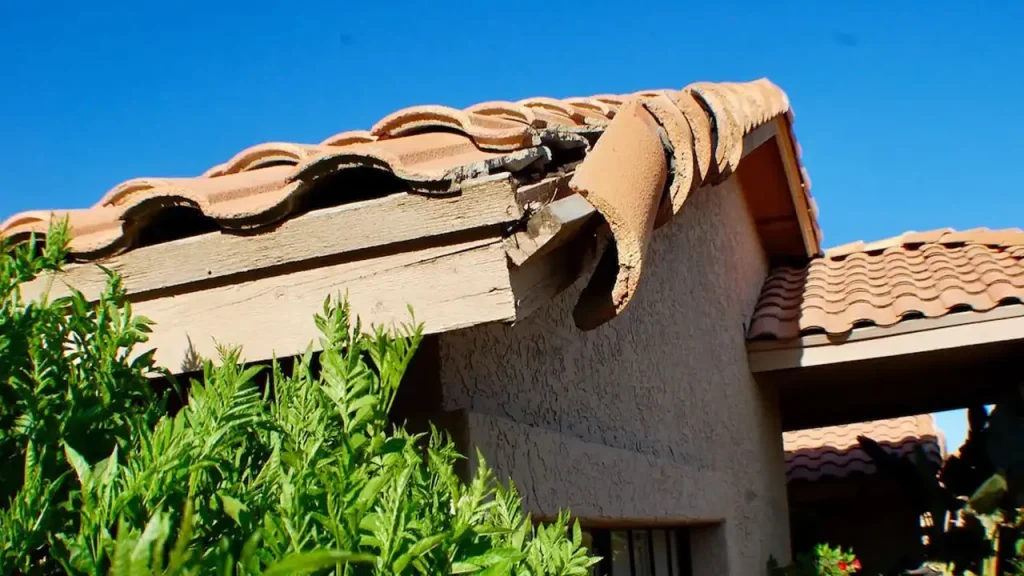
Residential roofing FAQs
How often should I have my roof inspected in Miami-Dade?
At least twice a year and after any major storm event.
What roofing material is best for hurricane resistance?
Metal roofing and properly installed concrete or clay tiles offer the highest resistance.
Do I need a permit to replace my roof in Miami-Dade?
Yes, a roofing permit is required for roof replacement and major repairs.
What is the average lifespan of an asphalt shingle roof in Miami-Dade?
Typically 15-20 years depending on maintenance and material quality.
Can I install a second layer of shingles over an existing roof?
It depends on the roof’s structural condition and local building codes; often not recommended.
What are signs that my roof needs replacement?
Missing shingles, leaks, sagging areas, and roofs older than 20 years are strong indicators.
Does a new roof qualify for insurance discounts in Florida?
Yes, especially if it includes wind mitigation features like hurricane straps and secondary water barriers.
What is a Miami-Dade NOA, and why is it important?
A Notice of Acceptance certifies that roofing materials meet stringent hurricane resistance standards.
How can I improve my roof’s energy efficiency?
Choose reflective materials, enhance attic ventilation, and consider solar panel integration.
What maintenance tasks can I perform myself?
Regular gutter cleaning, visual inspections, and trimming nearby tree branches are effective DIY tasks.
Contact Us
Ready to secure your home’s protection with expert residential roofing services? Contact us today for your free, no-obligation residential roofing quote!
Call us now at 305-677-8288