Roof Installation in Miami Dade
We offer Roof Installation services in Miami Dade County for both commercial roofing and residential customers who are in need of having a brand new roof installed on a new or existing building structure. Embarking on a roof installation project in Miami Dade requires careful planning and execution. Whether you are considering a complete roof replacement or a new roof installation, understanding the intricacies of the process is essential. This guide provides a comprehensive overview of roof installation, covering key steps, materials, and considerations for both residential and commercial properties. From selecting the right roofing company to ensuring proper ventilation, we’ll explore every aspect of securing a durable and reliable roof over your head.
Call us now at 305-677-8288

Locations we cover
We offer our services throughout the entire Miami Dade County, South Florida region including;
HIALEAH • MIAMI GARDENS • MIAMI BEACH • DORAL • KENDALL • FONTAINEBLEAU • NORTH MIAMI • WESTCHESTER • TAMIAMI • CORAL GABLES • NORTH MIAMI BEACH • BISCAYNE GARDENS • WEST LITTLE RIVER • MIAMI LAKES • IVES ESTATES • CORAL TERRACE • HIALEAH GARDENS • BROWNSVILLE • SUNSET • OPA LOCKA • GLADEVIEW • KEY BISCANE • MIAMI SPRINGS • OLYMPIA HEIGHTS • SOUTH MIAMI • WESTVIEW • MIAMI SHORES • WEST MIAMI
Understanding the Roof Installation Process
Overview of Roof Installation
Roof installation is the process of applying a new roof system to a building, which can range from a complete roof replacement of an old roof to the installation of a new roof on a newly constructed building. This involves several critical steps, including removing the old roofing material, inspecting and preparing the roof deck, installing underlayment, and applying the chosen roof material. Proper roof installation ensures protection against the elements, prevents water damage, and contributes to the overall structural integrity of the building. Choosing a reputable roofing company is crucial for a successful roofing project.
Key Steps in the Installation Process
The installation process begins with a thorough inspection of the existing roof deck to identify any damage or weaknesses. The old roofing material is then removed, and the roof deck is cleaned and repaired as needed. Next, underlayment is installed to provide an additional layer of protection against moisture. After the underlayment, the chosen roof material, such as shingle, tile, or metal roof panels, is carefully installed according to the manufacturer’s specifications. Flashing is installed around chimneys, vents, and skylights to prevent water intrusion. Finally, gutters and downspouts are properly installed to manage water runoff.
Materials Required for New Roof Installation
A new roof installation requires a variety of materials, starting with the roof deck sheathing, which provides the foundation. Underlayment is essential for creating a waterproof barrier. Depending on the roof type, asphalt shingles, metal roof panels, or tile may be used as the primary roofing material. Additional materials include flashing, roofing nails, drip edge, and ventilation components. For a metal roof, seams need to be properly sealed. The specific materials needed will depend on the type of roofing and the manufacturer’s recommendations. Choosing high-quality roofing material is crucial for the longevity of the roof system.
Types of Roof Systems
Shingle Roofs: Benefits and Features
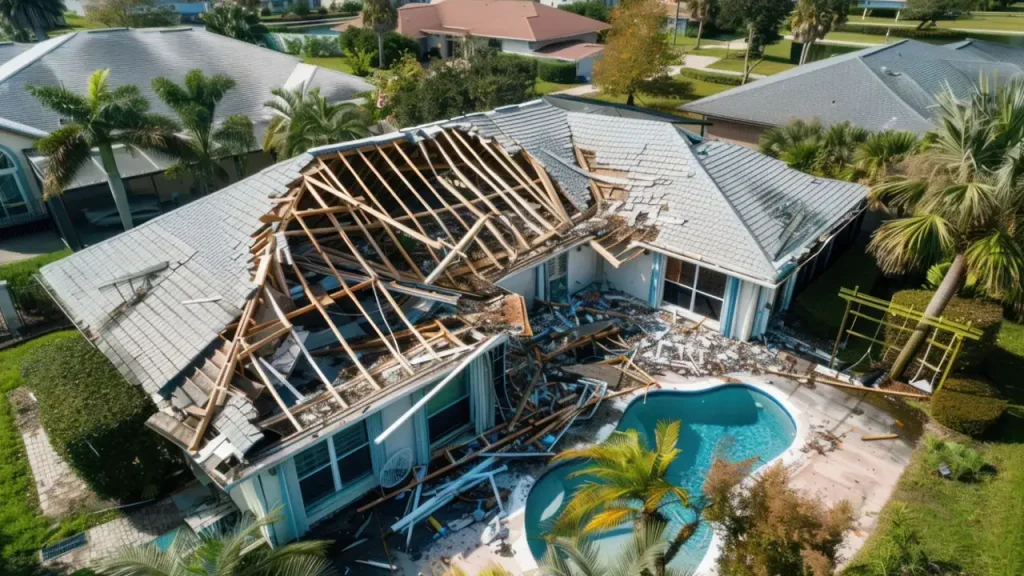
A shingle roof is a popular choice for residential roof applications due to its affordability and versatility. Asphalt shingles are available in various colors and styles, allowing homeowners to customize the appearance of their homes. The benefits of a shingle roof include ease of installation, relatively low cost, and good fire resistance. Regular roof repair and roof maintenance can extend the lifespan of a shingle roof, making it a cost-effective option in the long run. Many shingle manufacturers offer warranties on their products.
Flat Roof Installation: Considerations and Techniques
Flat roofs, commonly found on commercial buildings, require specialized installation techniques. Proper drainage is crucial to prevent water damage on flat roofs. Materials such as modified bitumen, TPO, and EPDM are often used due to their waterproofing properties. The installation process involves creating a seamless barrier to protect the building from the elements. Regular inspections and maintenance are essential to ensure the longevity of a flat roof system, especially in areas prone to heavy rainfall.
Choosing the Right Roof Material
Selecting the right roof material depends on several factors, including budget, aesthetic preferences, and the architectural style of the building. Metal roof systems offer durability and longevity, while tile roofs provide a classic, elegant look. Shingle roofs are a cost-effective option for many homeowners. Consider the climate and weather conditions in Miami Dade when choosing a roof material, as some materials are more resistant to high winds and heavy rain than others. Consult with roofing contractors to determine the best option for your specific needs.
Preparing for Roof Replacement
When Do You Need a Roof Replacement?
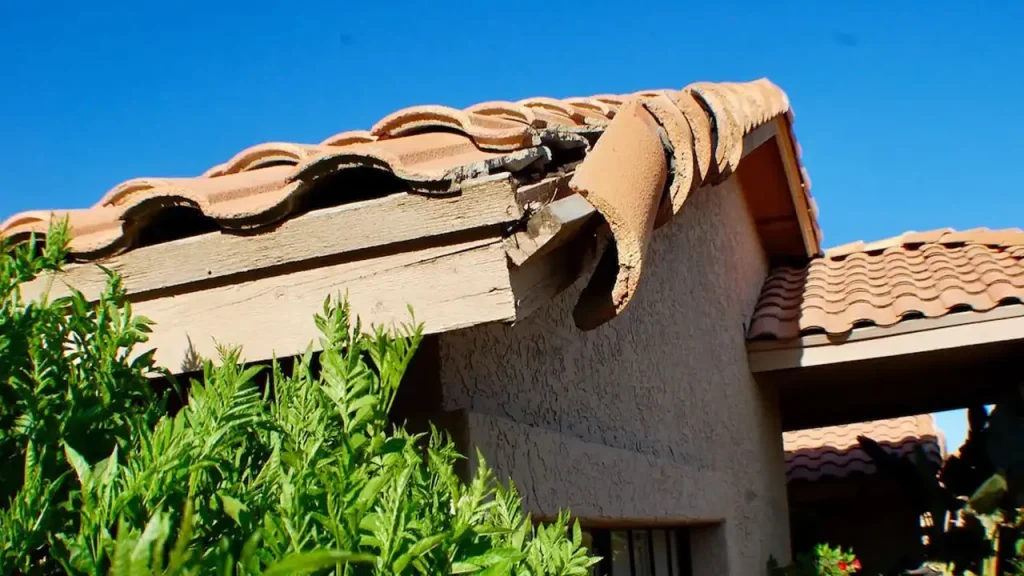
Determining when to undertake a roof replacement is crucial for preventing costly water damage. Signs that you may need a new roof include missing or damaged shingles, leaks in the attic, and visible sagging. An aging roof, typically older than 20 years, may also warrant roof replacement. Regular roof inspections by qualified roofing contractors can help identify potential problems early and determine if a roof repair is sufficient or if a complete roof replacement is necessary.
Removing Your Existing Roof
The roof replacement begins with the removal of the old roofing material. This process involves carefully removing shingles, tile, or metal panels, and disposing of the roof debris. It is essential to use appropriate safety measures, such as wearing protective gear and using safety harnesses, to prevent accidents during the removal process. A dumpster should be placed near the work area to facilitate the disposal of the old roofing material and other roof debris.
Assessing the Roof Deck and Underlayment
After removing the old roofing material, the roof deck is thoroughly inspected for any signs of damage, such as rot, mold, or warping. Damaged sections of the roof deck must be repaired or replaced before the new roof can be installed. The underlayment is then inspected to ensure it provides a solid waterproof barrier. Any damaged or deteriorated underlayment should be replaced to prevent water damage and ensure the longevity of the new roof system. Ensuring the roof deck and underlayment are in top condition is a critical step in the roof installation process.
Ventilation and Protection in Roof Installation
Importance of Ventilation in Roof Systems
Proper ventilation is crucial in a roof system to prevent moisture buildup and regulate temperature. Adequate ventilation helps to reduce the risk of water damage, mold growth, and premature deterioration of roofing material. Without proper ventilation, heat and moisture can become trapped in the attic, leading to increased energy costs and potential structural damage. Vents installed on the roof deck, such as ridge vents and soffit vents, allow for continuous airflow, extending the lifespan of the roof installation.
Roof Deck Protection: Ensuring Longevity
Protecting the roof deck is essential for ensuring the longevity and integrity of the entire roof system. Underlayment acts as a crucial barrier, preventing water damage from seeping through the roof material to the roof deck. Properly installed underlayment can prevent leaks and protect the roof deck from moisture. In addition, flashing around chimneys, skylights, and vents helps to direct water away from vulnerable areas, providing an additional layer of protection to the roof deck. This ultimately helps to prevent costly roof repair in the future.
Installing Ridge Cap Shingles and Starter Shingles
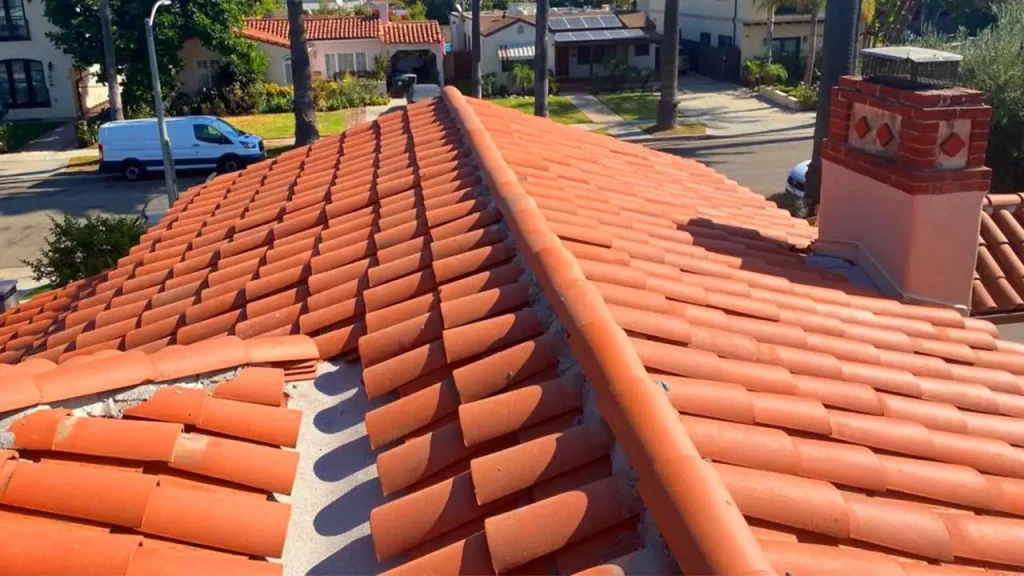
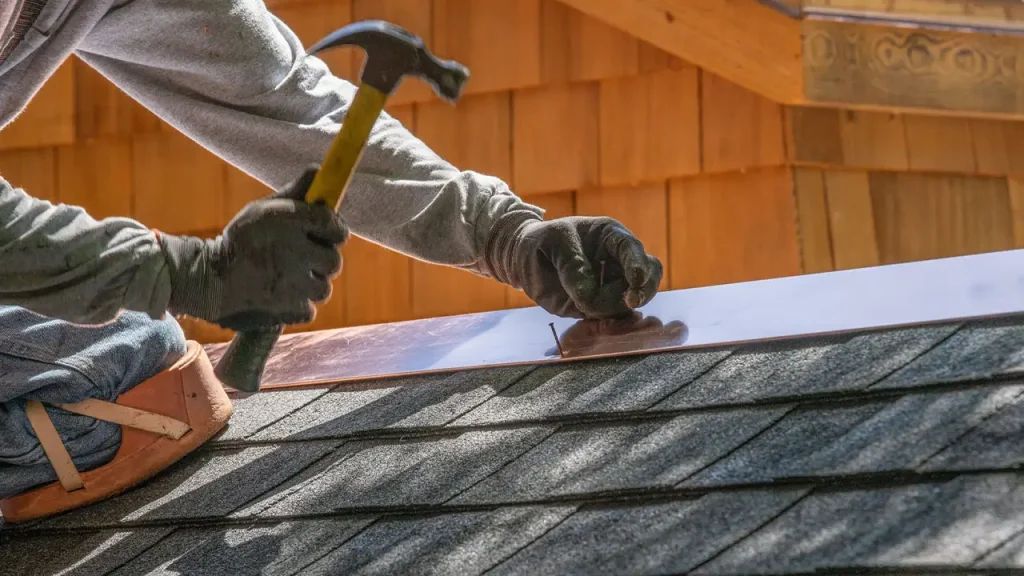
The installation of ridge cap shingles and starter shingles is a crucial part of the roofing process. Ridge cap shingles are specifically designed to cover the ridge of the roof, providing a finished look and protecting against water intrusion. Starter shingles are installed along the eaves of the roof, creating a seal and preventing water damage from wind-driven rain. Proper installation of these components is vital for maintaining the overall integrity of the roof system and preventing future roof leak issues.
Choosing a Roofer in Miami Dade
Finding a Superior Roofing Contractor
Selecting a superior roofing contractor in Miami Dade requires careful research and consideration. Look for a roofing company with a proven track record, positive customer reviews, and proper licensing and insurance. An Owens Corning Preferred Contractor may offer additional assurance of quality and reliability. A reputable roofing company will provide a detailed estimate, explain the installation process, and offer warranties on their workmanship and roof material. Choosing the right roofer is essential for a successful roof installation or roof replacement.
Questions to Ask Potential Roofers
When interviewing potential roofers, asking the right questions is essential to ensure you are making an informed decision. Inquire about their experience with different types of roofing, such as shingle, tile, or metal roof systems. Ask for references from past clients and examples of their previous work. Clarify the details of their warranty coverage, including what is covered and for how long. Understanding the installation process, the materials they use, and their commitment to safety will help you choose a roofing company that meets your needs and expectations.
Understanding Warranties and Guarantees
Understanding the warranties and guarantees offered by roofing contractors is crucial for protecting your investment. A manufacturer’s warranty typically covers defects in the roof material, while a workmanship warranty covers the quality of the installation process. Be sure to read the fine print and understand the terms and conditions of each warranty. Some roofing companies may also offer extended warranties or guarantees for added peace of mind. Knowing your coverage will help you address any potential issues with your new roof in the future. Manufacturer’s warranties are an important part of the roof installation.
Roof Installation FAQ’s
How long does a typical roof installation take?
Most residential roof installations take 1-3 days depending on the size and complexity of the project.
What is the best time of year to install a new roof in Miami Dade?
The dry season, typically from November to April, is the best time to schedule a roof installation.
Can I install a new roof over my old roof?
In some cases, yes, but it depends on the condition of the existing roof and local building codes.
What type of roof is best for hurricane resistance?
Metal roofs and high-wind-rated shingles are excellent choices for hurricane-prone areas like Miami Dade.
How much does a new roof cost?
Costs vary based on materials, size, and complexity, but most residential roofs range from $7,000 to $20,000.
Do I need a permit for roof installation in Miami Dade?
Yes, a permit is typically required, and your roofing contractor should handle the permitting process.
What warranties should I expect with a new roof?
Most new roofs come with a manufacturer’s material warranty and a separate workmanship warranty from the contractor.
How can I tell if my roof needs to be replaced or repaired?
A roofing contractor can assess your roof’s condition and recommend the appropriate action based on the damage.
Will my homeowner’s insurance cover a roof replacement?
Insurance may cover roof replacement if the damage is caused by a covered peril, such as a storm.
How do I maintain my new roof?
Schedule regular inspections, keep gutters clean, and promptly address any damage to prolong the roof’s lifespan.
Contact Us
If you’re ready to protect your home or business with a high-quality new roof, give us a call today. Our experienced team at Miami Dade Roof Pros is standing by to provide you with a free consultation and detailed estimate. Don’t wait—contact us now and take the first step toward a durable, reliable roofing solution!
Call Miami Dade Roofing Pros now at 305-677-8288